

Legal Tech Hackathon 2026 — Digital legal aid for the future, building justice for every citizen
Register Now →

Bridging the Legal Aid Services Gap Through Technology
The Legal Tech Hackathon 2026 is founded on a singular, urgent truth: justice must be accessible to everyone, regardless of location, background, or literacy level. By bringing together Bangladesh's finest engineers, legal experts, designers, and community builders, we turn theoretical policy into scalable, real-world tools that safeguard basic rights.
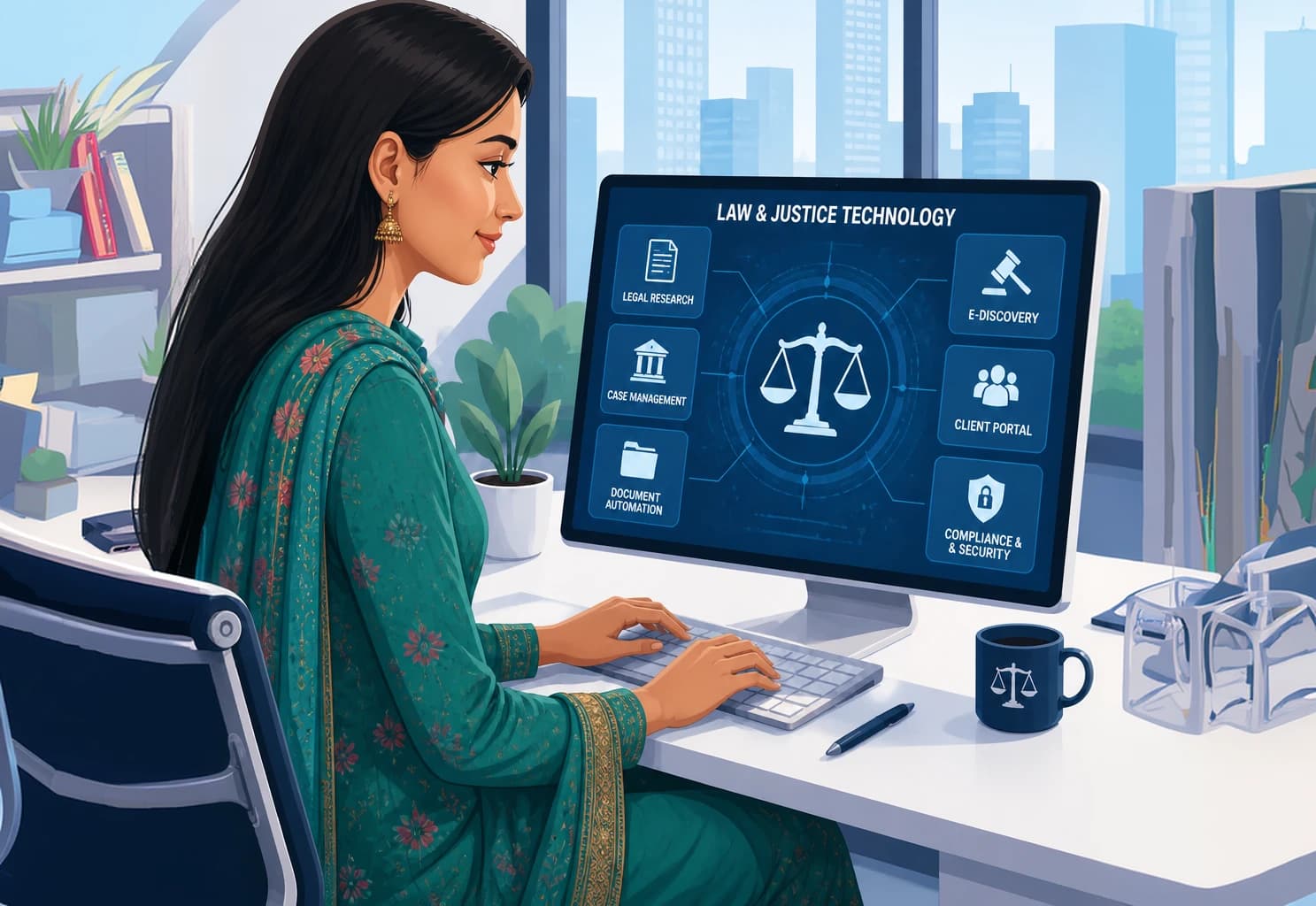
Legal Aid Services should be accessible to every citizen
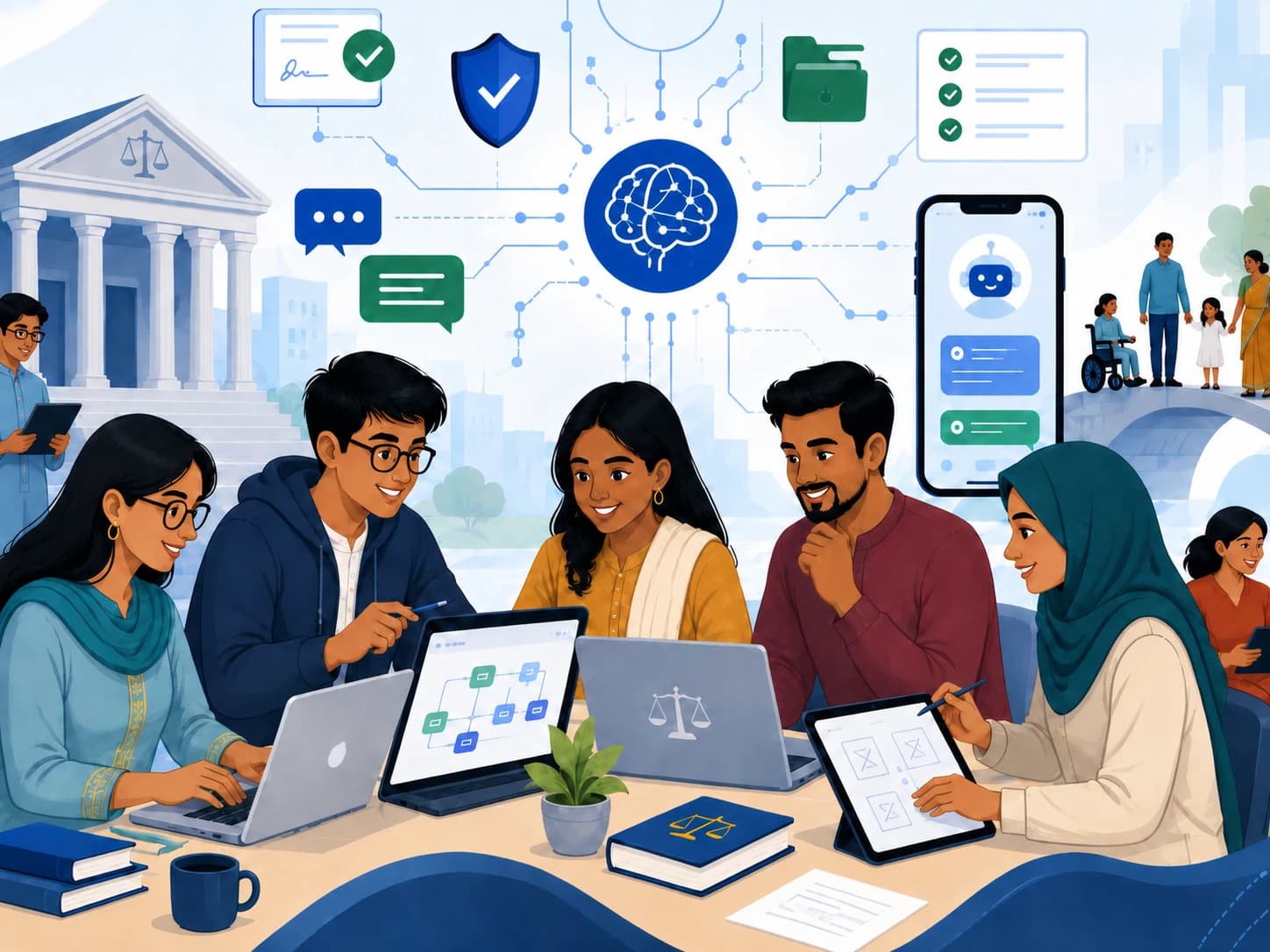
Technology can make it possible
The Legal Tech Hackathon 2026 brings together legal minds, engineers, designers, and social innovators to build prototypes that bridge the justice gap. Over 48 hours, teams will tackle systemic barriers, modernize justice-system infrastructure, and deploy AI-assisted legal aid service systems directly to citizens who need them most.
Register Your Team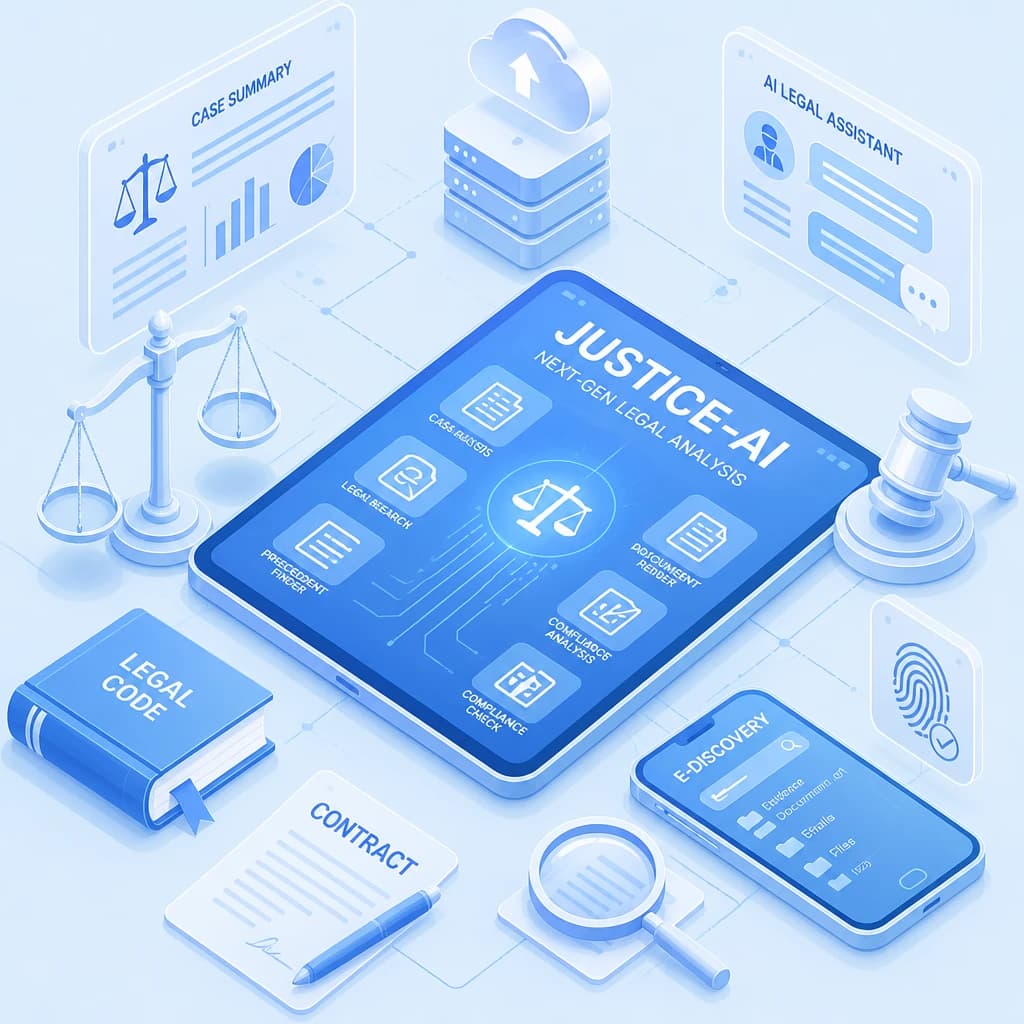
It takes more than just lawyers
Access to justice is an engineering problem, a design problem, and a legal challenge combined. We require balanced cross-disciplinary intelligence.
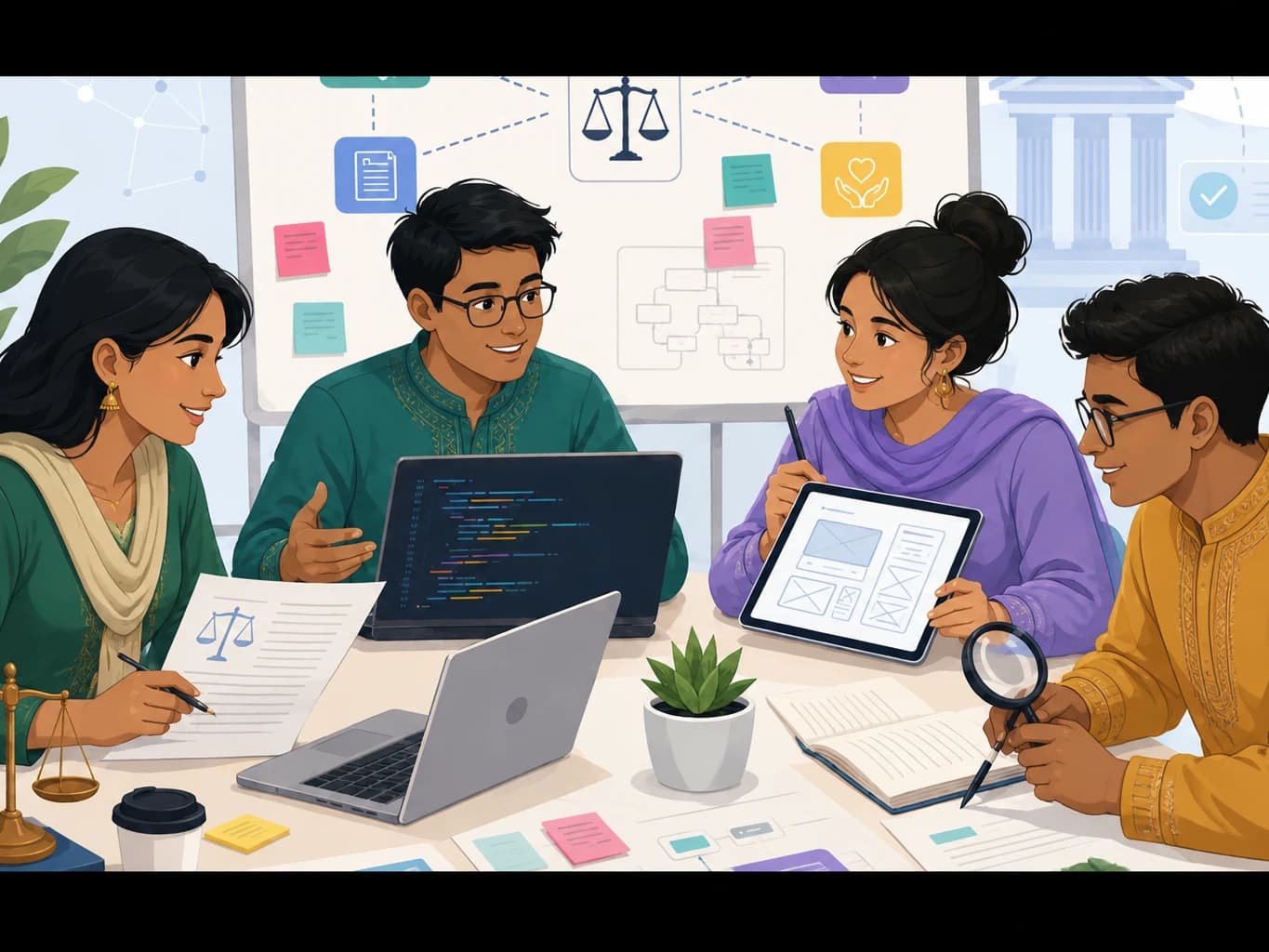

Law Students
Understand justice gaps and navigate legal frameworks so solutions are grounded, compliant, and scalable from day one.

Engineers
Build robust software systems, secure databases, and algorithms that can scale — turning prototypes into reliable, production-ready tools.

Designers
Make complex legal services simple, accessible, and human-centered — so justice feels approachable, not overwhelming.

Researchers
Connect real-world legal technology to grassroots civil society networks — ensuring tools reach the people and communities they're built for.
How the Hackathon Works
A continuous execution cycle engineered to progress teams from high-level concepts to testable prototypes.
Register
Create your participant profile.
Form your team
Form a team of 5 members, meeting eligibility to participate.
Crack the case
Study the case, and answer the questions based on your analysis.
Get evaluated
A jury scores every entry and advances the top 10 teams to the live final round.

What you submit
Round 1 challenges you to analyse a case and answer a set of questions based on your understanding, reasoning, and proposed solutions.
A jury evaluates every submission, and the top 10 teams advance to the live final round. The top 10 teams move on to the live final, where they will hack the gaps in digital legal aid services and develop innovative solutions and working prototypes for a more accessible justice system.
A three-year initiative to bring legal aid services within reach
Accelerating Digital Legal Aid Services in Bangladesh (ADLASB) project is funded by the European Union and implemented by the Directorate of Bangladesh Legal Aid (DBLA) under the Ministry of Law, Justice and Parliamentary Affairs, with technical assistance from UNDP Bangladesh.
Click here to learn more about the projectThe project works to make Bangladesh government’s legal aid services easier to reach for citizens who need them most. It is building a national legal aid services dashboard, mobile and SMS based services, and online dispute resolution — spanning 300 unions across eight pilot districts, with a focus on women, vulnerable groups and underserved communities.
Understand the gap.
Solve the challenge.
Each track starts with a real-world barrier. Read the brief, then understand the challenge your team wants to solve.
Announcement
Track deadlines, portal milestones, track disclosures, and key operational announcements leading up to the Dhaka finals.

Frequently Asked Question
Yes. Cross-university teams are eligible as long as all team-formation criteria are met.
Each team must have 5 members.
Yes. At least one Law student is mandatory.
Yes. At least one Computer Science/IT student is mandatory.
Yes. At least one female participant is mandatory.
Students who are enrolled as undergraduate and post graduate are eligible to participate.
Yes. Participation from ethnic minorities and Persons with Disabilities is strongly encouraged.
A team whose designated Team Leader is female receives an additional 1 point in the final evaluation.
10 September 2026 at 11:59 PM
The Top 10 teams selected through Round 1 screening proceed to the Bootcamp and Grand Finale.
The final round is evaluated by the appointed Jury Board.
No. Mentors provide guidance and support; final evaluation is conducted by the Jury Board.
Yes, eligible out-of-Dhaka teams will receive a fixed amount for accommodation and transport support based on the UNDP ABM Policy. The applicable amount will be communicated after the team qualifies from Round 1.
Yes. AI tools may be used where appropriate, but originality, human judgment, meaningful team effort and responsibility for the final solution remain with the participating team.
Yes. Students of other nationalities can participate as long as they currently reside in Bangladesh.
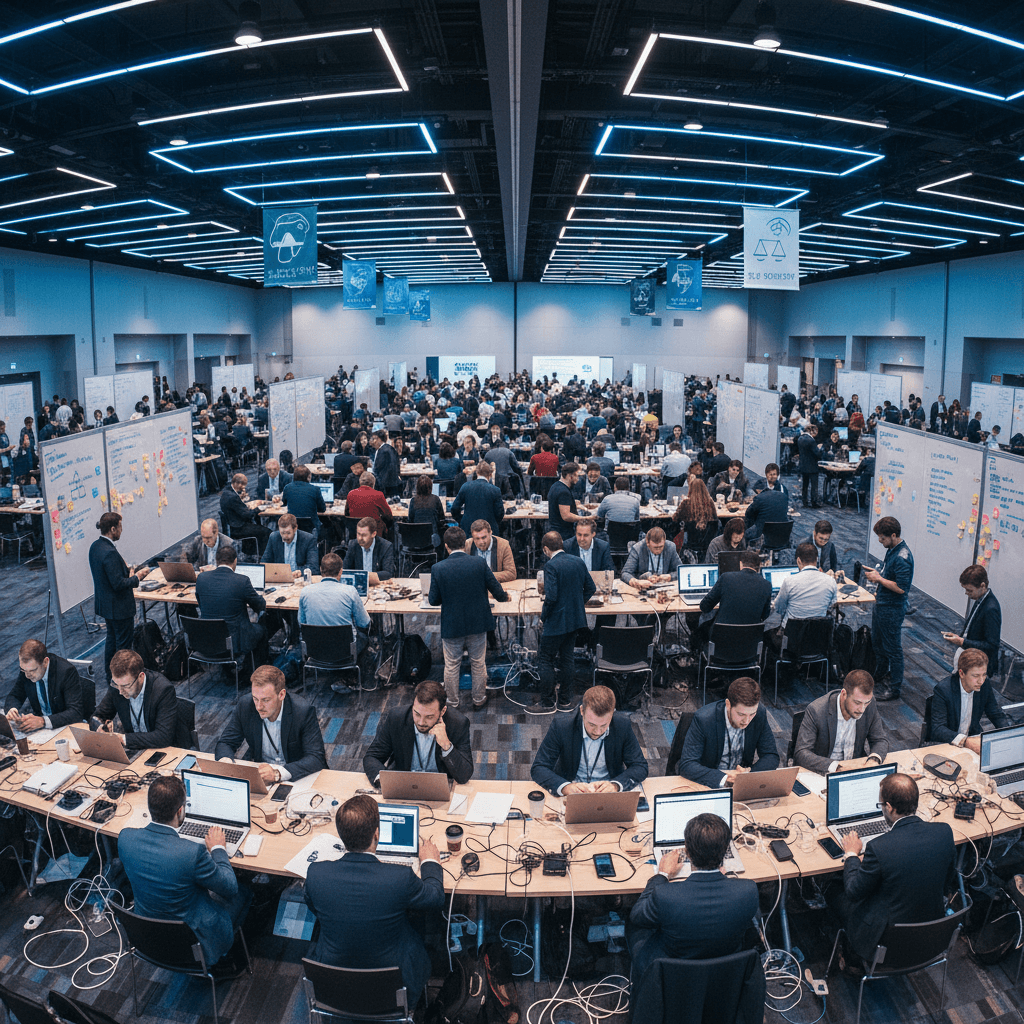
Legal Aid Services for every citizen starts with your solution
Registration closes in
10 September 2026, 11:59 PM